 Heksia
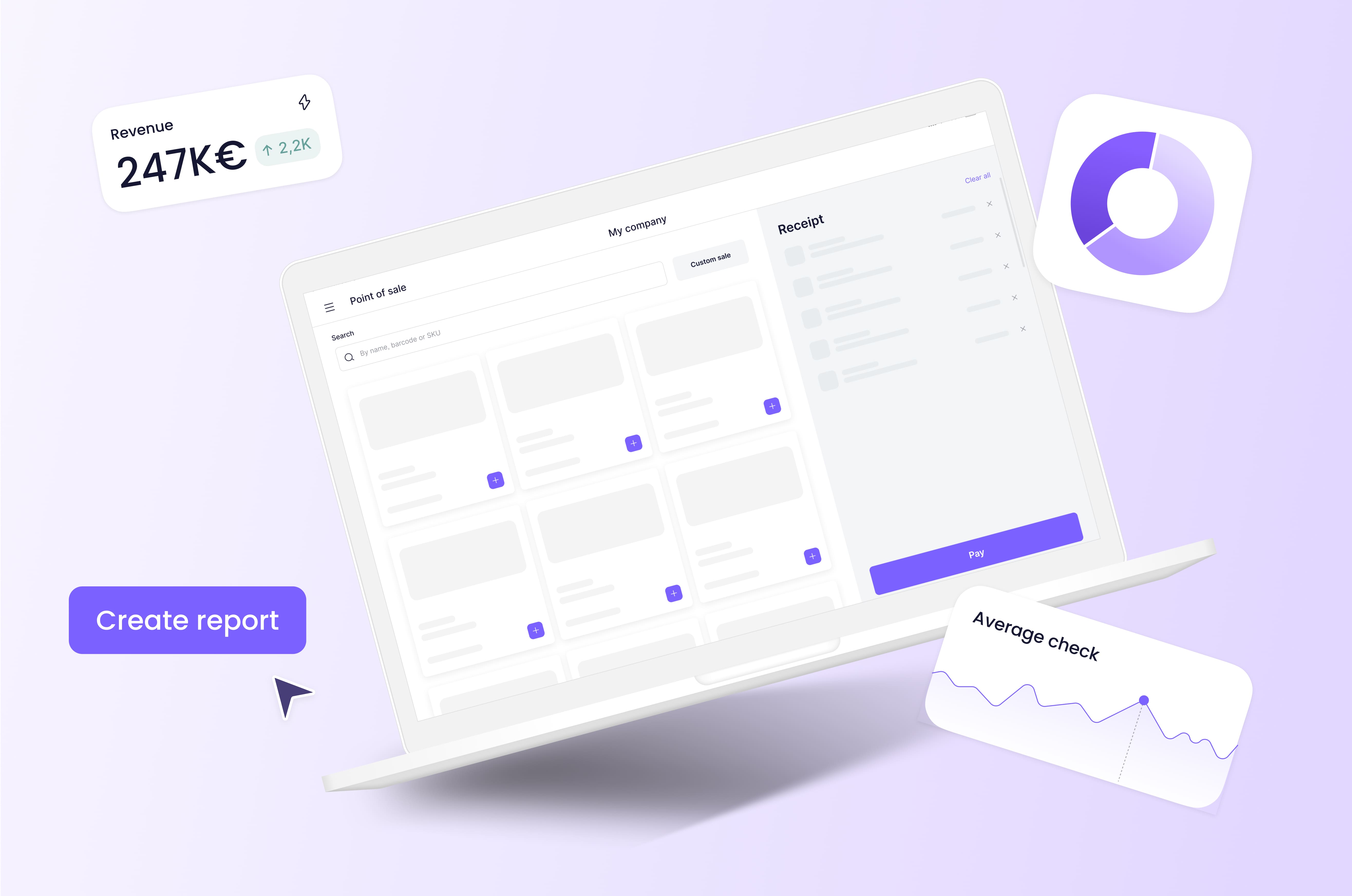
What is a POS system and why does it matter?
A POS system is the operational core of a retail business. While it is often associated with payment processing, its role extends far beyond completing transactions at the checkout. A modern POS system connects sales, inventory, products, staff actions, and customer data into a single operational flow, allowing retailers to run their business with accuracy, visibility, and control.
At its most basic level, a POS system records every sale that happens in a store or online. Each transaction updates stock levels, logs revenue, captures payment method data, and links the sale to a specific product, employee, and time period. This structured data becomes the foundation for understanding how the business actually performs day to day, rather than relying on estimates or manual reports.
For retail and SMB owners, this matters because operational complexity grows quickly. As soon as a business manages more than a handful of products, manual tracking becomes unreliable. Stock discrepancies, pricing errors, delayed reporting, and missed sales opportunities are common symptoms of operating without a robust POS system. A well-implemented POS replaces fragmented tools and spreadsheets with a single source of truth that reflects what is happening in real time.
Boost sales with advanced POS features
A modern POS system acts as a sales enablement platform that directly influences how efficiently a retail business operates, how customers experience the checkout process, and how confidently owners make commercial decisions. By combining transaction speed, flexible pricing logic, and real-time analytics in one system, a POS system helps retailers remove friction from everyday operations and unlock incremental revenue that is often lost in manual or disconnected workflows.
In practice, sales growth rarely comes from a single dramatic change. It is usually the result of many small operational improvements working together: faster checkouts that prevent abandoned purchases, better use of promotions that increase basket size, and clearer insight into what actually sells. Advanced POS features support these improvements by embedding them directly into daily routines, rather than treating them as separate marketing or reporting tasks. This integration is especially important for small and medium-sized businesses, where time and staff capacity are limited and every operational decision has a measurable impact on revenue.
Cloud-based POS systems amplify these benefits by making features accessible, scalable, and easy to adapt as the business grows. Instead of relying on rigid, hardware-dependent setups, retailers can adjust pricing, review performance, and manage offers in real time, without interrupting store operations. The result is a sales process that is faster, more flexible, and consistently aligned with customer expectations.
Streamlined transactions for faster service and higher sales volume
Checkout speed has a direct and measurable effect on conversion rates in physical retail. Long queues and slow payment processing increase the likelihood that customers abandon their purchase or decide not to add additional items. A modern POS system reduces these risks by streamlining the transaction flow from product scanning to payment confirmation.
Faster transactions allow stores to serve more customers during peak hours without increasing staff costs. This is particularly valuable during seasonal spikes, promotions, or high-traffic periods, where operational bottlenecks can limit revenue potential. When checkout is smooth and predictable, staff can focus less on resolving errors and more on engaging customers, answering questions, or suggesting complementary products. Over time, this shift improves both sales volume and average transaction value, without changing pricing or assortment.
Promotions and discounts managed directly at the point of sale
Promotions are most effective when they are easy to apply and clearly controlled. A POS system allows retailers to manage discounts, bundles, and special offers directly during the checkout process, giving staff the flexibility to respond to different customer scenarios without relying on manual calculations or external tools.
Manual control at the POS does not reduce effectiveness; instead, it allows for precise application of promotions based on context. Staff can apply targeted discounts, adjust pricing for bundles, or honor loyalty incentives while maintaining full visibility over margins. This approach helps retailers attract new customers, encourage repeat purchases, and increase basket size without losing control over profitability. Because promotions are recorded as part of each transaction, the POS system also ensures that their impact can be measured accurately in sales reports.
Sales insights and analytics that support smarter decisions
Every transaction processed through a POS system generates structured data that can be turned into actionable insights. Modern POS reporting tools provide real-time visibility into sales performance, including top-selling products, peak hours, average bill value, and payment method distribution. These insights help retailers understand not just what is selling, but why and when it sells.
By using this data, business owners can optimize product placement, adjust pricing strategies, and plan staffing more effectively. For example, identifying consistently strong sellers allows retailers to prioritize inventory replenishment and merchandising efforts. Recognizing slow-moving items helps prevent overstock and frees up cash for higher-performing products. Unlike static reports or manual summaries, POS analytics update continuously, supporting timely decisions that directly influence revenue and profitability.
Build customer loyalty through better service and consistency

Sales growth is closely linked to customer retention, and POS systems play a critical role in shaping repeat purchase behavior. Faster and more accurate service reduces friction at checkout and builds confidence in the buying experience. Consistent pricing and transparent totals eliminate confusion and reinforce trust, especially for returning customers who expect reliability.
Flexible payment options further improve convenience by allowing customers to pay using their preferred method, whether cash, card, or digital wallet. In addition, real-time inventory visibility enables staff to confirm availability instantly, avoiding disappointment and setting clear expectations. Together, these operational improvements create a more predictable and professional experience that encourages customers to return, recommend the store, and spend more over time.
A great POS system not only boosts your sales but also helps you create loyal customers:
Faster and more accurate service. Customers appreciate quick, reliable transactions. A POS system minimizes errors and delivers a seamless checkout process.
Consistent pricing and transparency. A POS system maintains accurate, up-to-date pricing, eliminating confusion at checkout. This clarity builds trust and assures customers they're getting the right deal.
Flexible payment options. With a POS system, you can accept multiple payment methods — cash, cards, and digital wallets — to match your customers' preferences. This flexibility enhances convenience and satisfaction.
Better inventory visibility. A POS system provides instant access to inventory data, allowing quick confirmation of product availability. This transparency helps manage customer expectations and prevents frustration from stockouts.
Empower your business for success
No matter your industry, a modern POS system is an investment that pays off quickly. With features to help you boost sales and build customer loyalty, it’s an essential tool for staying competitive and delighting your customers. From cafes and boutiques to service providers and gyms, businesses of all kinds are seeing the benefits of upgrading to modern POS systems. They’re improving accuracy, reducing errors, and most importantly, building loyal customer bases that drive sustainable growth.
FAQ: how POS features support sales growth
How does a POS system help increase sales?
A POS system increases sales by speeding up transactions, reducing errors, enabling flexible promotions, and providing insights that help optimize pricing, inventory, and staffing decisions.
Can a POS system improve average transaction value?
Yes. Faster checkouts, better staff focus, and controlled promotions encourage customers to add more items per purchase, increasing the average bill without aggressive discounting.
Are POS analytics useful for small retail businesses?
Absolutely. POS analytics help small businesses understand sales patterns, identify best-selling products, and make informed decisions without complex reporting tools or manual analysis.
Do promotions in a POS system reduce profitability?
Not when managed correctly. POS systems provide visibility and control, allowing retailers to apply promotions strategically while tracking their impact on margins and overall revenue.
Why are cloud-based POS systems better for growing businesses?
Cloud-based POS systems are easier to scale, require lower upfront investment, and provide real-time access to sales data and features, making them well suited for businesses that want flexibility and long-term growth.
